
Context
The developing world in its urge to grow seems to be making the same mistakes that the west made in their mad post-war rush. While some may argue that this is precisely what made them superpowers; it is our fervent belief that cities and towns in the developing world need to grow with a vision beyond the next 50 years; in order to prevent the rapid decline of cities as is witnessed in the United States today.
Concept
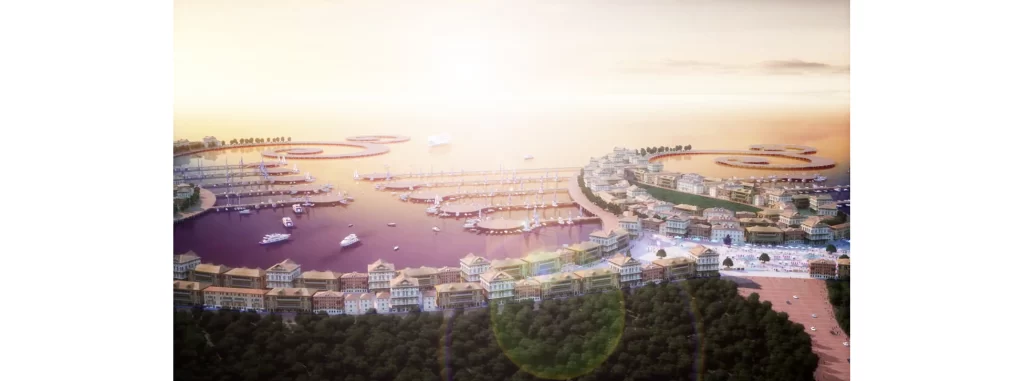
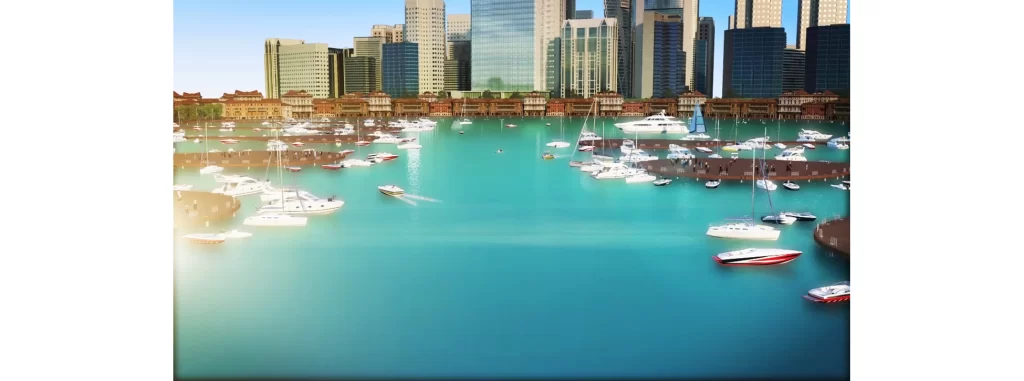
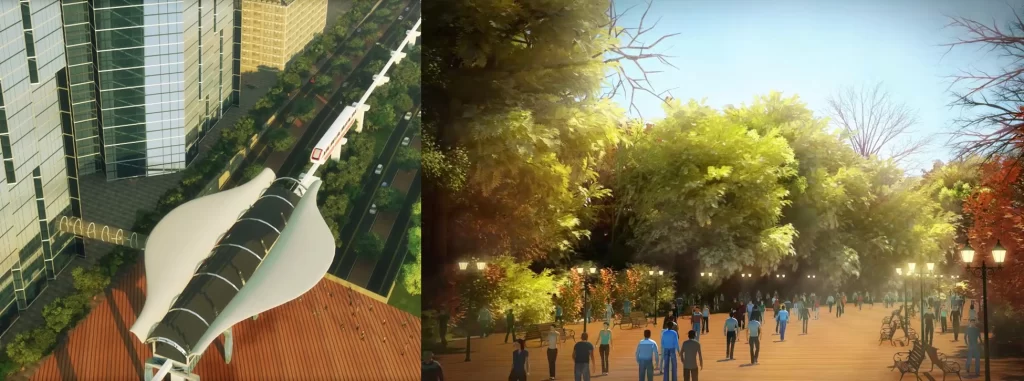
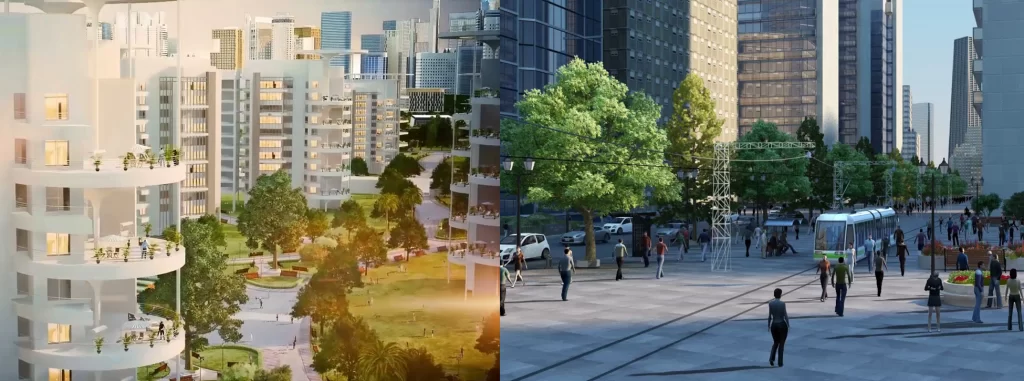
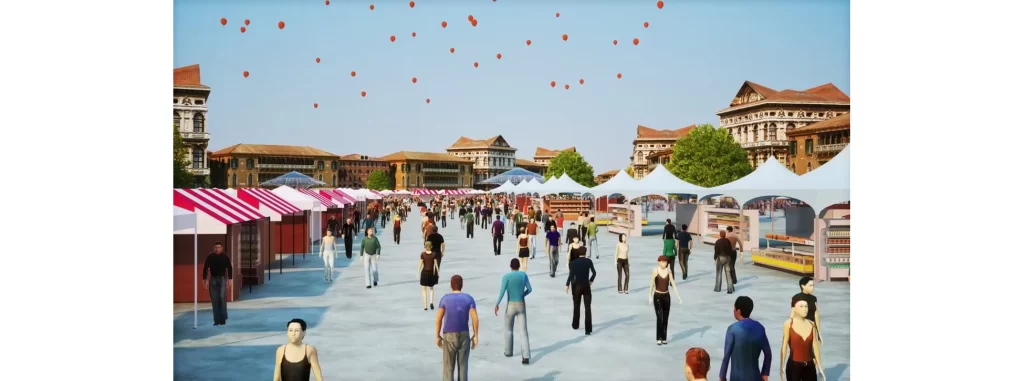
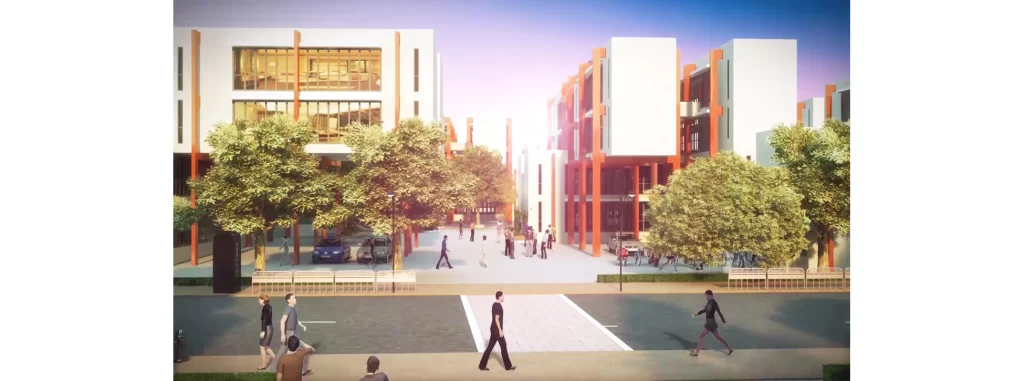
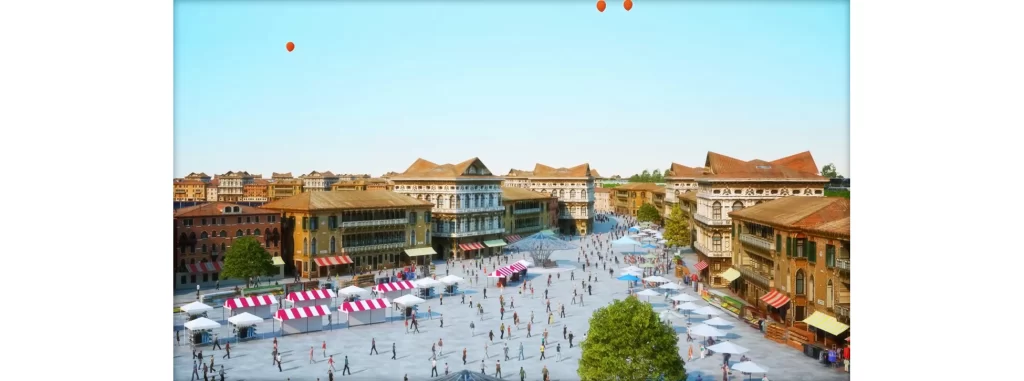
Our approach to the idea of a “smart city” in India is not bantering with terms such as “techno-hub, green buildings” etc. We wish to design an urban environment that fundamentally changes the way we dwell. Most great movements in any field evolve from an incredibly simple yet profound philosophical ideal. This approach provides a hierarchy of connectivity, from a nearby airport, to monorail topped rings roads, to motorable parkways, to main roads, and most importantly pedestrian tendrils. People can drive to work, but can just as easily take other forms of transport. The design defines wellness holistically, from downtown you could get on to a network of tendril walkways or bikeways to get home. The city is designed in sectors that are planned to be self sustaining microcosms providing a valuable and necessary mix of affordable housing balanced with market housing. The neighborhoods are connected by a series of intertwined courtyards that permit seamless pedestrian flow from one to another. Sustainability flexibility and community drives their design. The city is our effort to hope to say ‘home is where the heart is’. It is about creating a legacy for our mothers and our children, defining new ideas for the youth of this generation so in turn they can leave a legacy for the generations to come. City Y defines a new way of dwelling, whether it be at work or home; with marinas, walkways, and parkways. City Y is fundamentally about the way we dwell, physically, spatially and spiritually. The time has come where we define how we rejuvenate our way of dwelling such that our mothers and children can start living with dignity again.
Team
Cyrus Subawalla – Principal Designer
Project Data
Building type: Civic-Urban Design
Sustainability/LEED: CSA has set up the sustainability parameters.
Location: Gujarat India
Year: 2012
Site Area: 18 Sq. Kilometers
Client:Khodiyar KARP Group